Figuring out how to get a picky cat to eat can feel like a daily battle. One day your cat devours dinner, the next they walk away without a bite. Some pickiness is normal. Some isn’t. This guide breaks down the real causes, when to worry, and exactly what works.
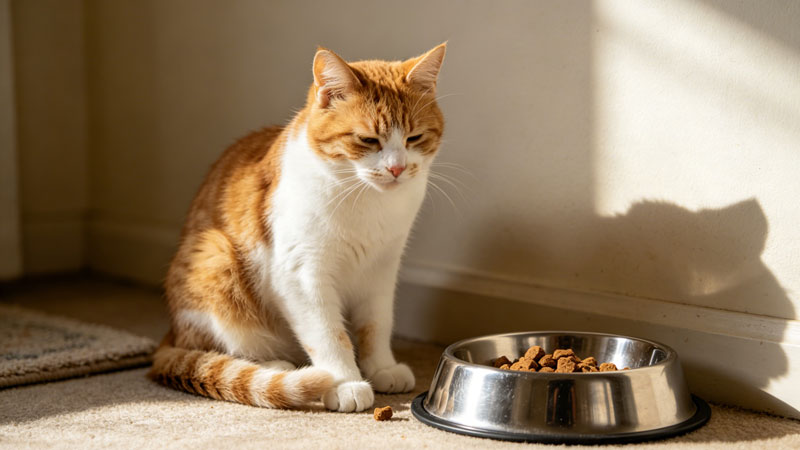
Why Won’t My Cat Eat? The Real Causes Behind Picky Eating
Cats don’t skip meals for no reason. Something is driving the behavior, even when it looks random.
Behavioral and Environmental Triggers
Stress moves the needle more than most owners realize. A new pet, a moved litter box, even rearranged furniture can shut down a cat’s appetite for a day or two. Cats also get bored fast. Feed the same flavor for weeks and interest drops off a cliff.
Whisker Fatigue Is a Real Thing
Deep bowls press against a cat’s whiskers with every bite. Whiskers are packed with nerve endings, so this causes real discomfort, not just mild annoyance. Switch to a wide, shallow plate and watch what happens.
The Medical Causes Most Articles Skip
This is where it gets serious. Dental disease, oral ulcers, and kidney issues all show up first as reduced appetite. The one condition almost never mentioned: hepatic lipidosis, or fatty liver disease. When an overweight cat stops eating for more than 48 hours, the liver starts converting fat reserves for energy faster than it can process them. That buildup can become life-threatening within days. This risk is specific to cats carrying extra weight, and it’s why “just wait it out” is bad advice for that group.
Cornell Feline Health Center research on hepatic lipidosis
When to Call the Vet: The 24-48 Hour Rule
Not every skipped meal needs a phone call. But certain patterns do.
| Situation | Normal Pickiness | Call the Vet |
|---|---|---|
| Duration | Under 24 hours | Over 24-48 hours |
| Water intake | Normal | Reduced or absent |
| Energy level | Playful, alert | Lethargic, hiding |
| Body condition | Average weight | Overweight or senior |
| Other symptoms | None | Vomiting, drooling, weight loss |
Overweight cats, kittens, and senior cats fall into a stricter window. For them, 24 hours without food is the point to call, not 48.
This article offers general information and doesn’t replace a diagnosis from a licensed veterinarian.
7 Ways to Get a Picky Cat to Eat Wet Food
1. Warm the Food, But Watch the Temperature
Warming wet food releases aroma, and cats hunt with their nose first. Ten seconds in the microwave, stirred well, gets the job done. Anything warmer than body temperature (around 101°F) risks hot spots and burns. Always test with your finger first.
2. Match Texture to Your Cat’s Preference
Texture matters more than flavor for most picky eaters.
| Texture | Best For |
|---|---|
| Pâté | Kittens, cats with dental pain |
| Shredded | Cats who like variety and chew |
| Minced in gravy | Middle-ground, easy transition |
| Purée | Seniors, cats needing extra hydration |
Try one texture for three to four days before switching. Constant swapping makes it harder to spot what actually works.
browse our wet cat food textures collection
3. Use Toppers, Carefully
Bone broth and freeze-dried toppers add smell and moisture without changing the whole meal. Skip anything with onion or garlic powder, both toxic to cats even in small amounts. Check labels every time, not just once.
4. Rotate Proteins on a Schedule, Not Randomly
Switching between two or three proteins every few days keeps interest high without upsetting digestion. Jumping between five different brands in one week is a common mistake that causes GI upset and makes the picky eating worse, not better.
5. Fix the Feeding Setup
A shallow, wide dish placed away from the litter box, other pets, and loud appliances removes the physical reasons a cat might avoid the bowl.
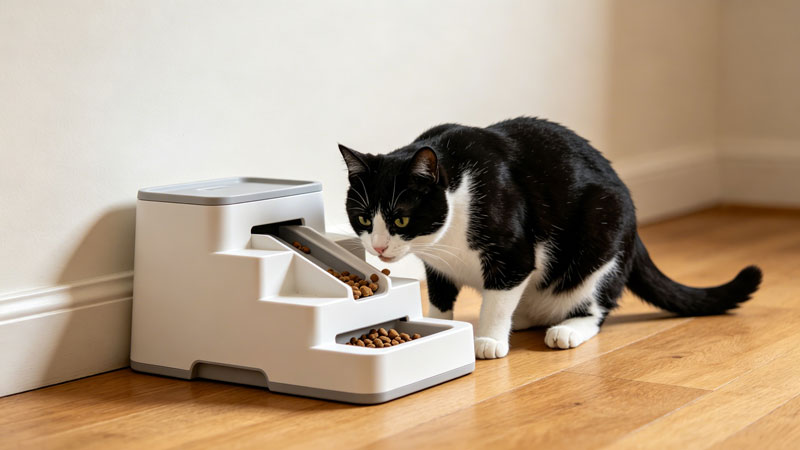
6. Bring in Puzzle Feeders
Cats are wired to work for food. Puzzle feeders tap into that instinct and often get a disinterested cat to engage when a plain bowl gets ignored.
7. Try Scheduled Meals Instead of Free Feeding
Food left out all day loses its appeal fast. Two or three set mealtimes create real hunger, which does more to fix picky eating than any single product change.
How to Transition a Cat to Wet Food Without Upset Stomachs
A rushed switch causes soft stool and vomiting, which then gets blamed on “picky eating” when it’s really just a transition done too fast.
A safer 7-day plan:
- Days 1-2: 75% old food, 25% new wet food
- Days 3-4: 50/50 mix
- Days 5-6: 25% old food, 75% new
- Day 7: Fully switched
If loose stool shows up, hold at the current ratio for two extra days before moving forward. Don’t push through it.
read our full guide to transitioning cats to a new diet
Special Cases: Kittens, Seniors, and Prescription Diets
Kittens often need a dab of food on the nose or paw to trigger their first taste. Small, warm portions work best.
Senior cats frequently need softer textures due to dental wear. Purées and minced options in gravy reduce chewing effort.
Cats on prescription diets present a harder problem. These foods are formulated for a medical condition, so substituting isn’t an option without vet approval. Warming the prescription food, adding vet-approved broth, or trying a different texture within the same brand line usually works better than giving up on the diet entirely.
AAFCO pet food transition guidelines
What Not to Do When Your Cat Won’t Eat
Forced feeding by syringe without vet guidance can cause aspiration pneumonia, a serious lung infection. Don’t attempt it at home without instruction.
Skip the complete overnight food swap. It rarely works and often backfires.
Don’t assume a cat hiding under the bed is just being dramatic. Cats mask illness by instinct, so withdrawal plus food refusal is a combination worth taking seriously, not waiting out.
Frequently Asked Questions
My cat won’t eat wet food but will eat treats. Why?
Treats are often higher in fat and flavor intensity, so a cat can be full-appetite for treats while still refusing a balanced meal. This points to preference, not lack of hunger.
How long can an indoor cat safely go without eating?
Healthy adult cats can typically manage 24 hours without serious risk. Past that, especially for overweight or senior cats, a vet check is the safer move.
Is it normal for cats to skip meals occasionally?
Yes. Occasional single-meal skips tied to stress or heat are common and usually resolve on their own within a day.
Does my cat’s breed affect how picky they are?
Breed plays a smaller role than individual personality and early food exposure. Cats introduced to varied textures and flavors as kittens tend to stay more flexible eaters as adults.
Disclaimer: This article is for general informational purposes only and does not replace professional veterinary advice, diagnosis, or treatment. Always consult a licensed veterinarian regarding your cat’s specific health and dietary needs.

