You’re loading up a hot dog with sauerkraut, and your dog plants their chin on your knee with that look. So — can dogs eat sauerkraut? The short answer is yes, in small amounts, with the right kind. But the details matter more than most pet owners realize. This guide covers the science-backed benefits, the real risks (including exact sodium numbers competitors skip), safe serving sizes by breed size and age, brand picks, a homemade recipe, and what to do if your dog eats too much. No fluff.

What Is Sauerkraut — And Why Are Pet Owners Interested?
Sauerkraut is finely shredded cabbage fermented with salt and water. Naturally occurring Lactobacillus bacteria convert the cabbage’s sugars into lactic acid, preserving it and creating a dense colony of live probiotics. The pet wellness community has taken notice because the same gut-health logic that applies to humans — more diverse gut flora, better digestion — applies to dogs too.
⚠️ Important: real vs. fake sauerkraut Many grocery store products labeled “sauerkraut” are made with vinegar, not fermentation. They taste similar but contain zero live probiotics. Always check the label: the only ingredients should be cabbage, salt, and possibly water.
Is Sauerkraut Good for Dogs? Science-Backed Benefits
Probiotic Support and Gut Health
Fermented sauerkraut contains Lactobacillus plantarum and L. brevis — strains studied for their ability to reduce intestinal inflammation and crowd out harmful bacteria. A balanced gut microbiome supports not just digestion but also stool quality and nutrient uptake.
Immune System Connection
An estimated 70% of a dog’s immune activity is centered in the gut. Feeding sauerkraut probiotics to dogs means supporting this gut-immune axis — particularly relevant for dogs prone to seasonal allergies or recurring infections.
Nutrient Profile
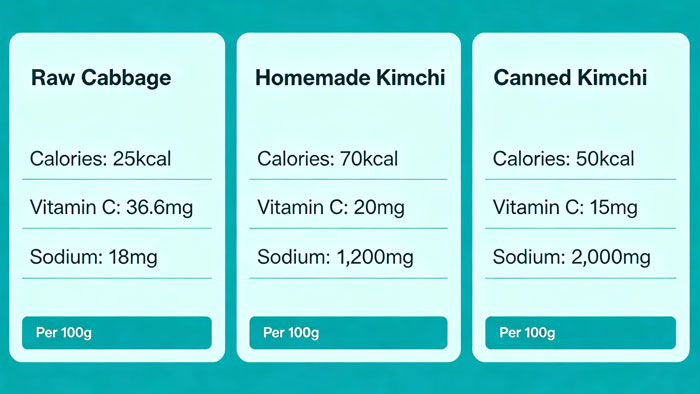
Beyond probiotics, sauerkraut delivers vitamin C, vitamin K, and dietary fiber. Fermentation also increases the bioavailability of certain minerals compared to raw cabbage.
When Is Sauerkraut Bad for Dogs? Risks With Real Numbers
The Sodium Problem — Actual Numbers
This is where most guides go vague. Dogs have a daily sodium ceiling of roughly 0.1 g per kg of body weight. A 20 lb (9 kg) dog should stay under ~0.9 g of sodium per day from all sources combined. Commercial canned sauerkraut regularly contains 700–900 mg of sodium per 100 g. A single tablespoon could push a small dog over their limit. Refrigerated fresh-pack or homemade versions typically run 150–250 mg per 100 g — a manageable range when served in the correct portions.
Toxic Ingredients to Screen For
- Garlic and onion — organosulfur compounds destroy red blood cells in dogs
- Xylitol (artificial sweetener) — causes dangerous blood sugar drops even in tiny amounts
- Caraway seeds — can dogs eat sauerkraut with caraway seeds? No. They can trigger GI upset and in larger quantities have been linked to toxicity in dogs
Dogs Who Should Skip Sauerkraut Entirely
- Dogs with kidney disease (sodium burden)
- Puppies under 12 months (immature digestive and immune systems)
- Pregnant or nursing females
- Dogs with IBD, pancreatitis, or a history of GI sensitivity
⚠️ High-risk checklist — skip sauerkraut if your dog: Has kidney disease · Is under 1 year old · Is pregnant or nursing · Has chronic GI issues · Is on diuretics or a sodium-restricted diet
How Much Sauerkraut Can I Give My Dog?
Start slow. Introduce over 7 days by blending a small amount into their regular meal. Here are safe upper limits once fully introduced:
| Dog Size | Weight | Starting Dose | Max Daily | Frequency |
|---|---|---|---|---|
| Toy / Small | < 10 lbs | ¼ tsp | 1 tsp | 3×/week |
| Medium | 10–50 lbs | ½ tsp | 2 tsp | 3×/week |
| Large | 50+ lbs | 1 tsp | 1 tbsp | 3×/week |
| Senior (any size) | — | Half of above | Half of above | 2×/week |
| Puppy (< 1 year) | — | ❌ Not recommended | — | — |
Choosing the Right Sauerkraut for Your Dog
| Type | Probiotics | Sodium | Additive Risk | Verdict |
|---|---|---|---|---|
| Homemade | High | Low | None | ✅ Best choice |
| Refrigerated store-bought | Medium–High | Medium | Check label | ✅ Good option |
| Pasteurized jarred | Very low | High | Possible | ⚠️ Poor choice |
| Canned | None | Very high | Likely | ❌ Avoid |
| Vinegar-based (“fake”) | None | Medium | Possible | ❌ Avoid |
Recommended US Brands (Refrigerated Aisle)
- Bubbies — naturally fermented, no vinegar, widely available at Whole Foods and Sprouts
- Wildbrine — USDA organic, lower-sodium options, clean ingredient list
- Cleveland Kitchen — broadly stocked, simple ingredients, good probiotic count
When reading any label: ingredients should be cabbage, salt, and water only. Reject anything listing vinegar, sugar, garlic, onion, or preservatives.
Homemade Sauerkraut for Dogs — Simple Recipe
Making your own gives you full control over sodium and ingredients. This version is intentionally minimal.
Ingredients:
- 1 small head green cabbage, finely shredded
- 1 tsp non-iodized sea salt
- Filtered water as needed
Instructions:
- Massage the shredded cabbage with salt for 5–10 minutes until it releases liquid.
- Pack tightly into a clean glass jar. The cabbage must be fully submerged under its own brine.
- Cover with a loose lid or cloth. Ferment at room temperature (65–75°F) for 5–7 days.
- Taste on day 5. Once pleasantly sour, seal and refrigerate.
- Keeps refrigerated for up to 2 months. Serve the dog’s portion plain, without spices.
💡 Tip: Making a batch for the whole household? Pull out the dog’s portion before adding caraway, juniper berries, or other spices typically used in European-style sauerkraut.
Can Dogs Eat Cooked Sauerkraut?
Technically yes, but it misses the point. Lactic acid bacteria die above roughly 115°F (46°C). Cooked sauerkraut retains fiber but loses all probiotic value. If your dog grabbed a bite of your Reuben or hot pot, no emergency — monitor for GI upset, especially if the dish contained onion or garlic. For intentional feeding, always serve it raw.
What If My Dog Ate Too Much Sauerkraut?
Mild Symptoms — Monitor at Home
Gas, soft stools, and mild bloating are common when any new fermented food is introduced. These usually resolve within 24–48 hours. Withhold the sauerkraut and offer plain water freely.
Serious Symptoms — Call Your Vet
Seek veterinary attention if you see: repeated vomiting, blood in stool, extreme lethargy, or signs of sodium toxicity — excessive thirst and urination, muscle tremors, or neurological symptoms.
Action Plan
- Check how much your dog ate and the sodium content on the label.
- Scan the ingredient list for garlic, onion, or xylitol — if present, call your vet immediately regardless of symptoms.
- Watch for 48 hours if only plain sauerkraut was consumed in small excess.
- Call your vet or the ASPCA Animal Poison Control Center (888-426-4435) if symptoms escalate.
Probiotic Alternatives if Sauerkraut Doesn’t Work for Your Dog
Not every dog tolerates fermented cabbage. Plain unsweetened kefir is often better accepted and contains a broader strain variety. Plain yogurt works for dogs without dairy sensitivity. Purpose-formulated canine probiotic supplements (powder or chew format) are the most controlled option — look for products listing specific CFU counts and strains.
Frequently Asked Questions
Can dogs eat sauerkraut with caraway seeds?
No. Caraway seeds can cause GI irritation in dogs, and in larger quantities have been linked to toxicity. Stick to plain sauerkraut made only with cabbage and salt.
Is sauerkraut good for dogs with diarrhea?
Possibly, once the acute episode resolves. Introducing probiotics during active diarrhea can sometimes worsen symptoms. Wait until stools normalize, then introduce a tiny amount as a preventive gut-health measure.
How often should I give my dog sauerkraut?
Three times per week at the serving sizes listed above is a reasonable starting frequency. Daily feeding is unnecessary and raises cumulative sodium intake.
Can dogs eat sauerkraut from a hot dog?
Not a good idea. Hot dog toppings typically include high-sodium condiments, onion, garlic, and relish. Even a small amount of condiment-covered sauerkraut is a risky combination. Keep any sauerkraut you share plain and portioned separately.
Can puppies eat sauerkraut?
No. Puppies under 12 months have developing digestive systems and immune responses. Hold off until adulthood, then introduce very gradually.
Does sauerkraut help dogs with bad breath?
Indirectly, yes. Bad breath in dogs often originates from gut imbalance. Supporting a healthier gut microbiome through fermented foods can reduce the bacterial overgrowth that causes odor — though persistent bad breath warrants a vet visit to rule out dental disease.
The Bottom Line
Dogs can eat sauerkraut — but only the right kind, in the right amount. Choose fresh, unpasteurized sauerkraut with no additives. Follow the serving guide above. Skip it entirely for puppies, dogs with kidney disease, or any dog on a sodium-restricted diet. When in doubt, a purpose-made canine probiotic is the lower-risk path to the same gut-health benefit.

