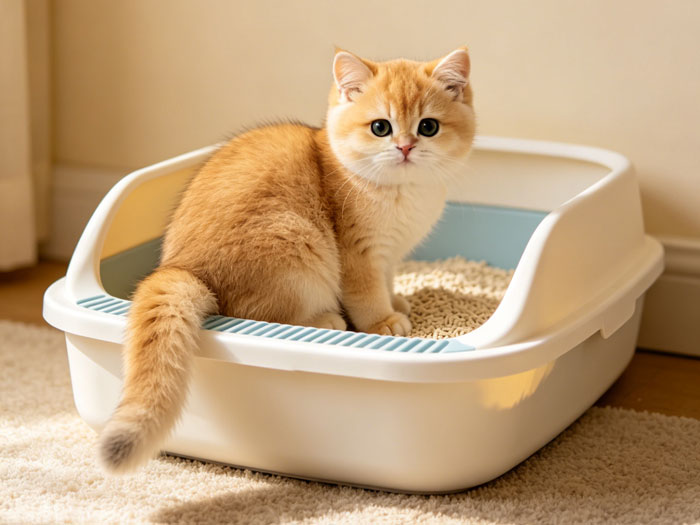
Bringing home a new cat is one of life’s great joys — but figuring out litter training? That’s where a lot of new pet parents hit a wall. The good news: cats are naturally inclined to bury their waste, which means litter training is usually much easier than training a puppy. With the right setup, a little patience, and a few pro-level tricks, you can have your kitten using the litter box like a pro in no time.
This guide covers everything — from choosing the right cat litter box and litter, to troubleshooting common problems that trip up even experienced cat owners.
Key Takeaways
- Introduce the litter box as early as 3 weeks of age for kittens.
- Use fragrance-free, non-clumping litter for kittens under 8 weeks old.
- Keep the box clean after every feeding — cats hate a dirty bathroom.
- Follow the +1 rule: one litter box per cat, plus one extra.
- Never use punishment — positive reinforcement only.
- Limit your kitten’s space during training to prevent accidents.
What Supplies Do You Need to Litter Train a Cat?

Before you bring your new cat home, make sure you have the basics ready:
Choosing the Right Litter Box
For young kittens (under 8 weeks), start shallow. A cardboard tray — like the kind that holds canned food — works perfectly. It’s so low-sided that even a tiny kitten can step right in without struggling. Once they make it gross, toss it and start fresh. No scrubbing required.
Around 6–7 weeks, graduate to a shallow plastic litter box — still lidless, but more durable. Save the covered, high-sided boxes for when they’re fully grown and fully trained.
Pro Tip: Avoid hooded or self-cleaning litter boxes during the training phase. The noise and enclosed feeling can spook kittens and turn them off the box entirely.
Choosing the Right Cat Litter
- Kittens under 8 weeks: Use fragrance-free, non-clumping litter only. Kittens explore everything with their mouths. Clumping clay litter can swell inside a kitten’s digestive tract if ingested — a genuine health risk. Strongly scented litters can also irritate tiny respiratory systems.
- Kittens 8 weeks and older: You can gradually transition to clumping litter if desired.
- Sensitive cats: Some cats have strong texture or scent preferences. If your cat avoids the box, try switching litter brands before assuming it’s a behavioral issue.
When Should You Introduce the Litter Box?
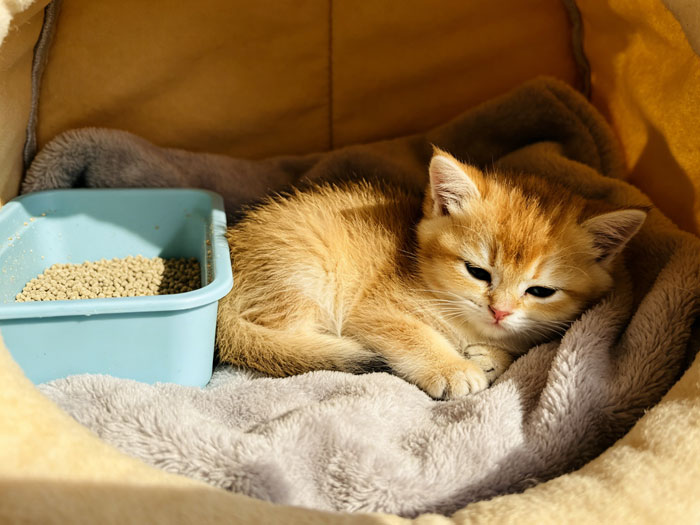
For very young kittens (0–3 weeks), their mother handles elimination by licking them. They physically cannot go on their own yet.
Around 3 weeks of age, kittens begin developing independent bladder and bowel control. This is your window. You may notice them going in their bedding — that’s the cue to introduce a litter box immediately.
If you’re hand-raising neonates, you can begin stimulating them directly over the litter box around the 3-week mark. The scent of their own urine in the box helps them quickly associate it as the right place to go.
Adopted or rescued kittens over 3 weeks? Introduce the litter box the moment they arrive home. It should be the very first thing they’re shown — before toys, before the cat bed, before anything else.
How to Litter Train a Cat: Step-by-Step
1. Make the Box Easy to Find
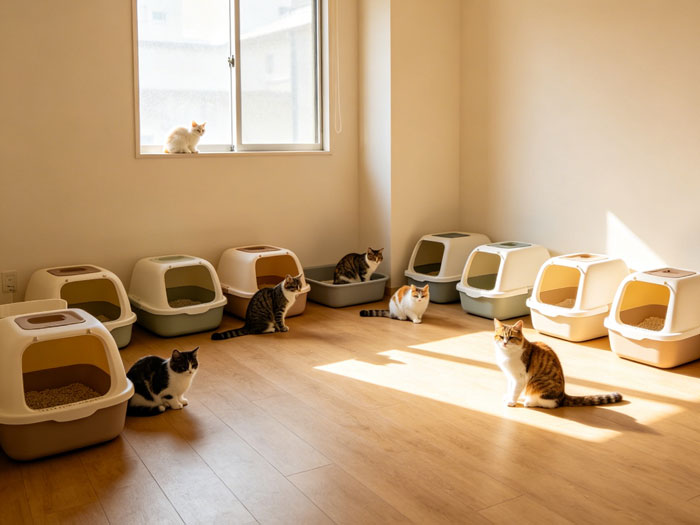
During training, your kitten should never be more than 10 feet from a litter box. If they can’t find it in time, they’ll find a corner of their own choosing.
Follow the +1 rule: for every cat in your home, have one litter box, plus one extra. One kitten? Two boxes minimum. Two cats? Three boxes.
Place boxes in quiet, low-traffic corners — kittens naturally gravitate to corners when they need to go.
2. Limit Their Roaming Space
This is one of the most underused tricks, and it works remarkably well. Confine your kitten to a single room or a large playpen during the early training phase. When the litter box is always within reach, accidents become much less likely.
Gradually expand their access to the rest of the house as their litter habits become consistent.
3. Watch for Pre-Potty Signals
Kittens often show clear signs they need to go: sniffing the ground, squatting, circling, or heading toward a corner. When you spot these behaviors, gently pick them up and place them in the litter box. Don’t force them to stay — simply place them in and let nature take over.
4. Encourage Digging Behavior
If your kitten stands in the box but doesn’t dig, try running your fingers through the litter in front of them. You can also gently guide their paw in a digging motion. This activates their natural instinct to bury, which is the key trigger for using the box.
5. Use Positive Reinforcement
The moment your kitten uses the box successfully — celebrate! A calm, warm “good kitty” and some gentle pets as they exit goes a long way. Never scold or punish a kitten for accidents outside the box. It creates anxiety, damages trust, and almost always makes the problem worse.
Pro Tip: For kittens that just aren’t clicking, try placing a small amount of their soiled bedding or waste in the litter box. The familiar scent signals to them that this is the correct spot.
6. Try Imitation Learning
Kittens learn by watching other cats. If you have a multi-cat household, bring the struggling kitten near the box while another cat uses it. Observation alone can be the breakthrough moment.
How Often Should You Clean the Litter Box?

This is where many well-meaning cat owners unknowingly sabotage their own training efforts.
The rule is simple: check the box after every feeding. If there’s waste, scoop it. Kittens in training need a consistently clean box — a dirty box is one they’ll actively avoid.
Think of it from their perspective: would you use a filthy bathroom if you had another option? They’ll find one.
- Scoop: After every meal, or at minimum twice daily
- Full litter change: Every 1–2 weeks depending on litter type
- Box wash: Monthly with mild unscented soap — avoid ammonia-based cleaners, as the scent mimics urine
Pro Tip: Keep a small litter scoop and a compostable bag near the box so cleanup takes under 30 seconds. Removing friction from the habit means you’ll actually do it consistently.
Troubleshooting: When Litter Training Isn’t Working

| Problem | Likely Cause | Solution |
|---|---|---|
| Going next to the box, not in it | Box is too deep | Switch to a shallower box |
| Avoiding the box completely | Wrong litter type or dirty box | Try fragrance-free litter; scoop more often |
| Going in corners around the house | Too much roaming space | Confine to one room during training |
| Feral kitten won’t use the box | Associates bathroom with outdoor surfaces | Add a few leaves or some soil on top of litter temporarily |
| Suddenly stopping after using box | Medical issue possible | Consult a vet — urinary issues are common in cats |
Frequently Asked Questions (FAQ)
Q: How long does litter training a kitten take?
Most kittens catch on within a few days to two weeks when set up for success. Some take a little longer — especially feral-born kittens transitioning from outdoor life.
Q: Can I litter train an adult cat?
Absolutely. Adult cats that have never used a litter box can still learn. The process is similar — use a low-sided box, keep it spotless, and confine them to a smaller space initially.
Q: My kitten keeps playing in the litter box. Is that normal?
Yes, especially in kittens under 12 weeks. It typically phases out on its own. If it continues, try a covered box once they’re older and fully trained.
Q: How many litter boxes do I need?
Follow the +1 rule: one per cat, plus one. So two cats = three boxes, minimum.
Q: What if my cat suddenly stops using the litter box?
A sudden change in litter box habits in a previously trained cat is often a sign of a urinary tract infection, kidney issue, or stress. Schedule a vet visit sooner rather than later.
Final Thoughts
Litter training a cat or kitten is genuinely one of the easier parts of pet ownership — as long as you set up the right environment from day one. Use the right box, the right litter, keep things clean, and meet your kitten where they are developmentally.
With a little consistency and a lot of positive reinforcement, your cat will be a litter box champion before you know it.

